Technique note · Foundation · 6 min read
Cooking Staples a Second Time
What changes in rice, bread and potatoes overnight, and how to reheat them without turning the second meal into a compromise.
Technique note · Foundation · 6 min read
What changes in rice, bread and potatoes overnight, and how to reheat them without turning the second meal into a compromise.
Cooked rice, pasta and potatoes all firm up in the fridge as their starch molecules re-align. This is not a flaw: firmed rice grains survive a hot wok, cold potatoes brown better in a frying pan, and day-old bread soaks up custard without collapsing. The trick is to cool these foods quickly, in a shallow container, and refrigerate within an hour of cooking rather than leaving the pan on the stove overnight.
Reheat once, thoroughly, until steaming hot throughout. Repeated cooling and warming cycles are where both texture and food safety fall apart, so take out only the portion you intend to eat.
Freeze cooked rice in flat portions, shaped dumplings on a tray before bagging, and sliced bread with a sheet of paper between slices so you can pull out two. Thaw rice and bread in the fridge overnight; dumplings and most flatbreads can go straight from frozen to a steamer or a dry pan. Label everything with the date, because a month in the freezer makes all staples look identical.
Yes. Cooked rice can carry spores that survive boiling and multiply at room temperature, producing toxins that reheating does not destroy. Cool it quickly and refrigerate within about an hour.
Starch is recrystallising, and a microwave makes it briefly soft before it turns leathery as it cools. Reheat bread in a hot oven or a dry pan, and eat it straight away.
Put it into practice
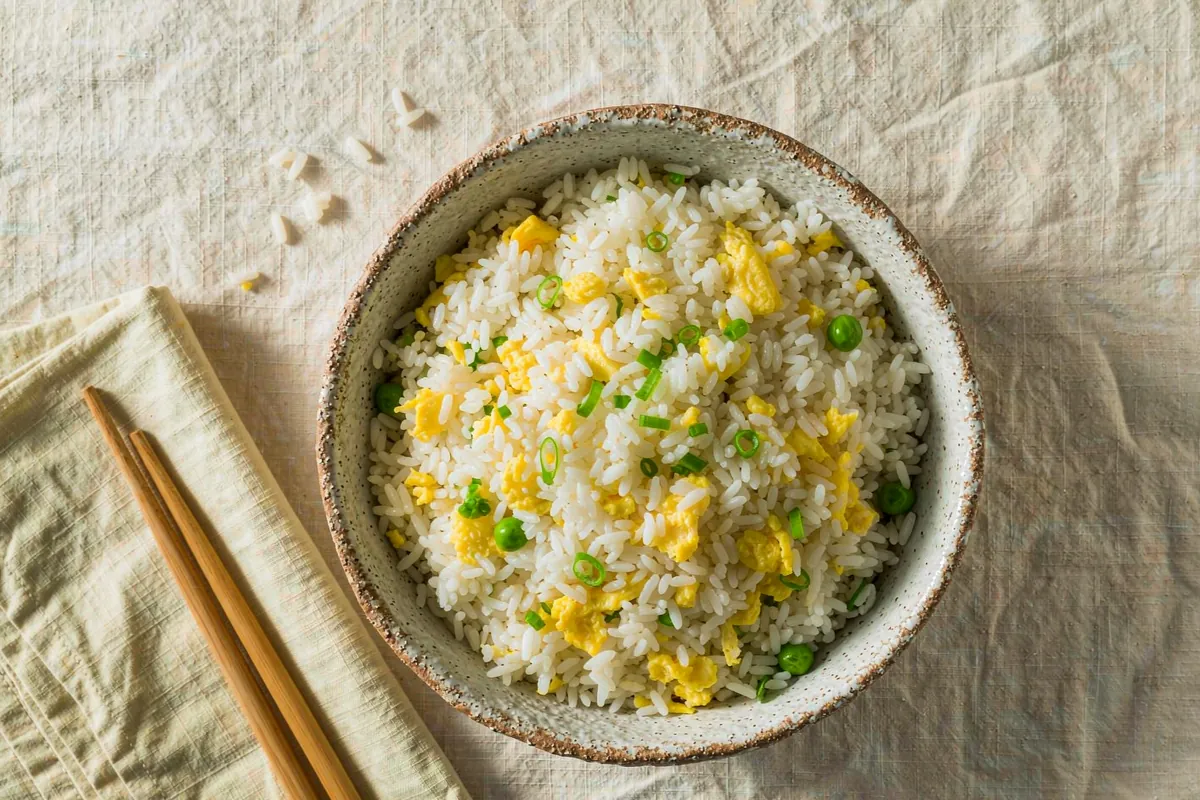
Cold leftover rice, two eggs and a hot wok turn into a fast supper with separate grains, soft egg curds and a clean scallion finish.
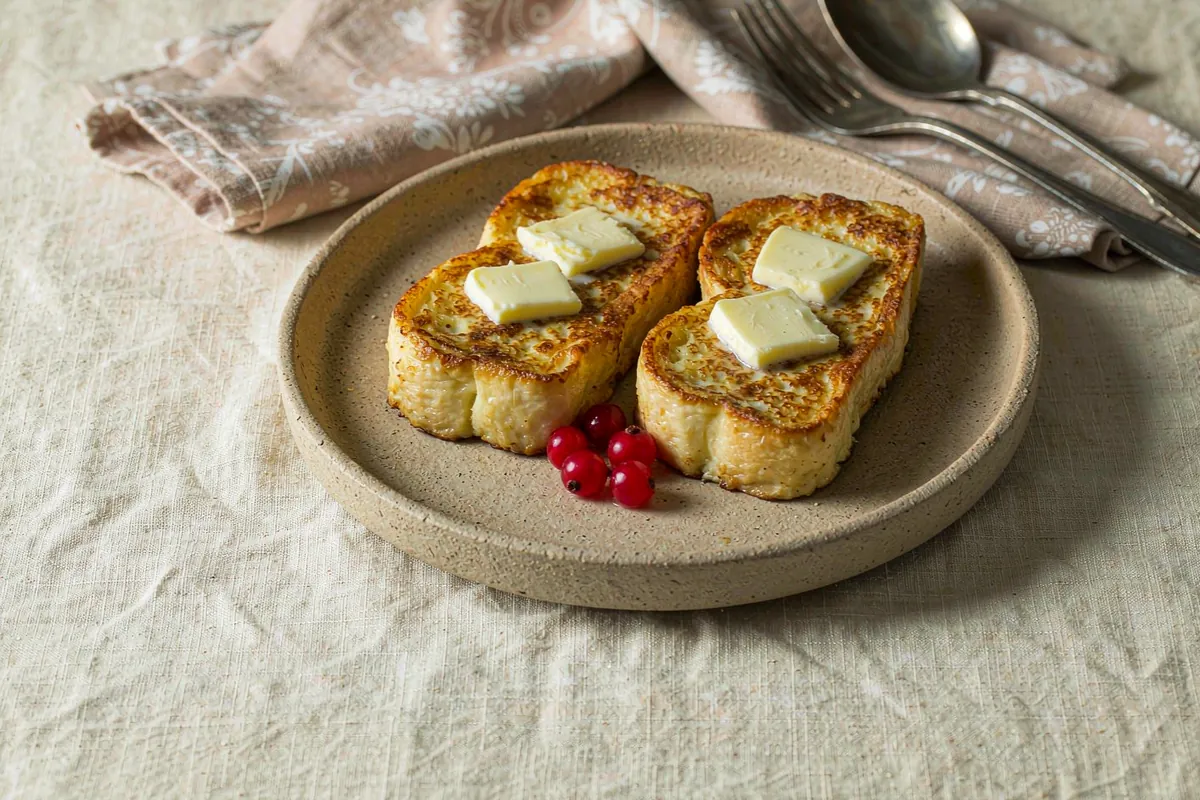
Thick bread slices soaked in a cinnamon-vanilla egg custard, pan-fried in butter until the edges caramelise and the centres stay soft, served with berries and a little maple.
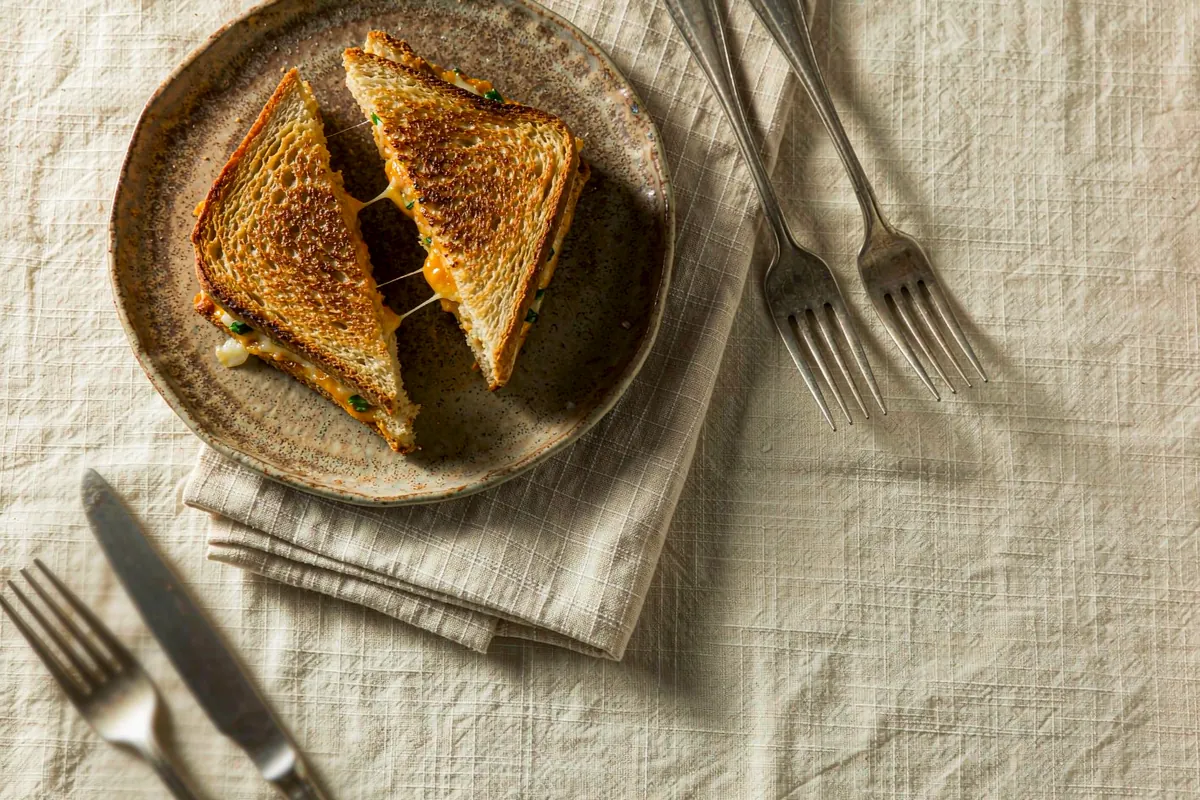
Buttered bread and a melty cheese layer griddled slowly over moderate heat until the outside turns deep golden and crisp while the centre stretches into soft, hot strands.
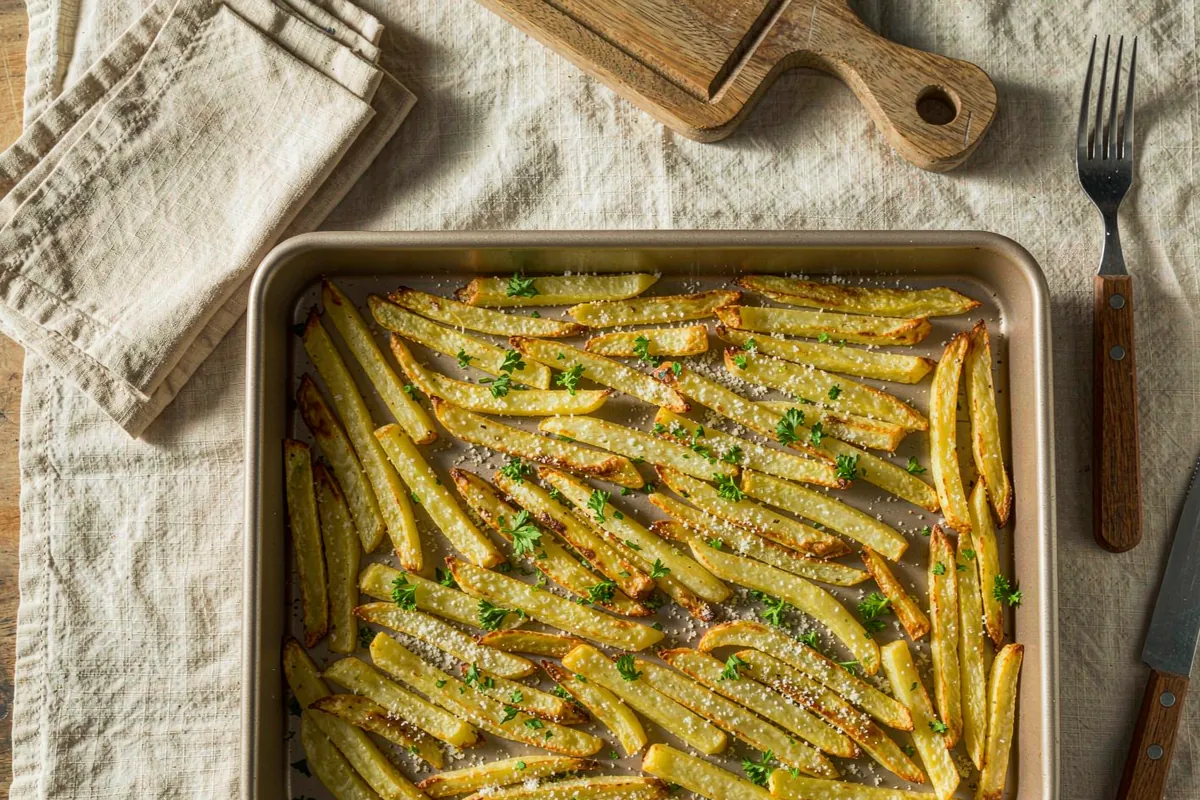
Hand-cut potato batons soaked, dried and baked on a single hot tray at high heat until the corners brown and the centres stay soft, with a light garlic-herb finish.