Technique note · Intermediate · 7 min read
Reading a Rising Dough Instead of a Clock
Temperature, yeast and the four signals that tell you when a loaf is ready to bake, long before the timer does.
Technique note · Intermediate · 7 min read
Temperature, yeast and the four signals that tell you when a loaf is ready to bake, long before the timer does.
A recipe that says one hour is describing a dough in a roughly 24 °C kitchen with a standard amount of yeast. At 18 °C the same dough may need two hours; beside a warm oven it may be ready in forty minutes. Yeast activity roughly doubles with every 8 to 10 °C rise, so treat the printed time as a first check rather than a deadline.
The reliable check is the poke test. Press a floured finger about a centimetre into the dough. If the dent fills back quickly, it needs longer. If it stays and the surrounding dough looks subtly deflated, it has gone too far. Ready dough springs back slowly and leaves a shallow, soft indentation.
Handle a risen dough with a light hand. Press out the largest gas pockets, fold the edges in to build surface tension, and let it rest ten minutes before the final shape so the gluten stops fighting you. The second rise is shorter than the first, usually thirty to fifty minutes, and is about an even, airy crumb rather than volume.
Preheat for a full twenty to thirty minutes, not merely until the oven beeps. The first ten minutes in a hot oven produce oven spring, the final expansion before the crust sets. A covered pot or a tray of steam keeps the surface supple long enough for that to happen; uncover later for colour. A loaf is done when the base sounds hollow and the centre reads about 96 °C on a probe.
It was over-proofed, so the gluten network could no longer hold the gas. Shorten the second rise and bake as soon as the poke test shows a slow spring-back.
Yes. Move the covered dough to the fridge for thirty to sixty minutes. It will not stop fermentation completely, but it gives you enough time to preheat the oven properly.
Put it into practice
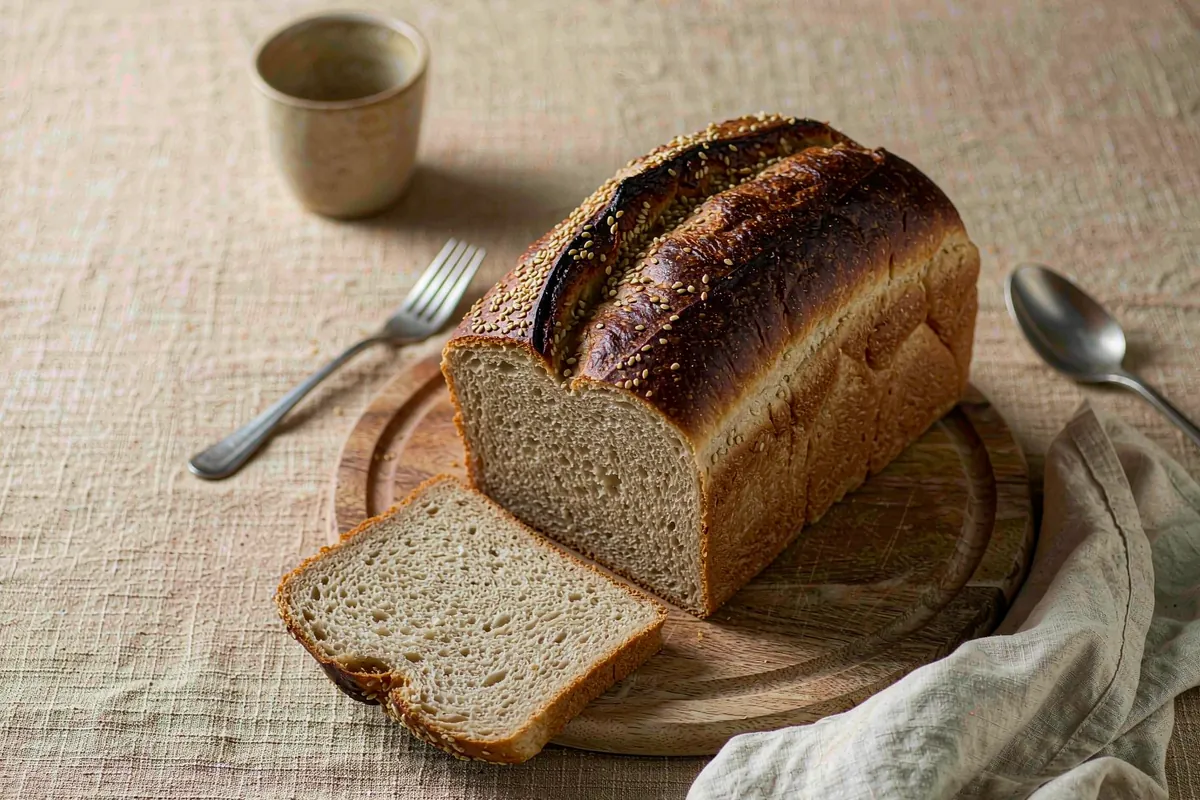
A soft, fine-crumbed white loaf baked in a tin for even slices, with a pale golden crust that stays tender enough for weekday sandwiches and toast for nearly a week.
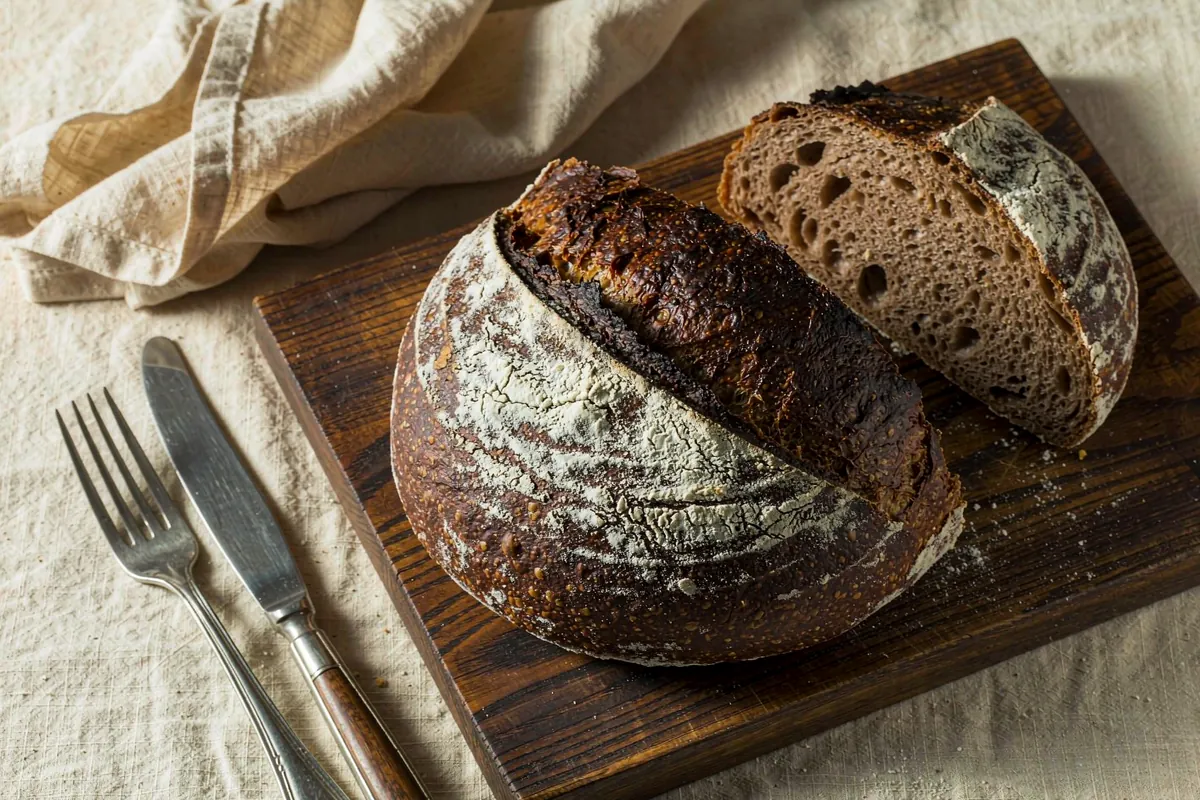
A shaggy, barely mixed dough left overnight develops a blistered, crackling crust and an open, chewy crumb in a covered pot, with almost no hands-on work.

A thin hand-stretched dough baked fast on a hot tray with crushed tomato, torn mozzarella and basil, giving a blistered rim and a centre that stays just slightly soft.
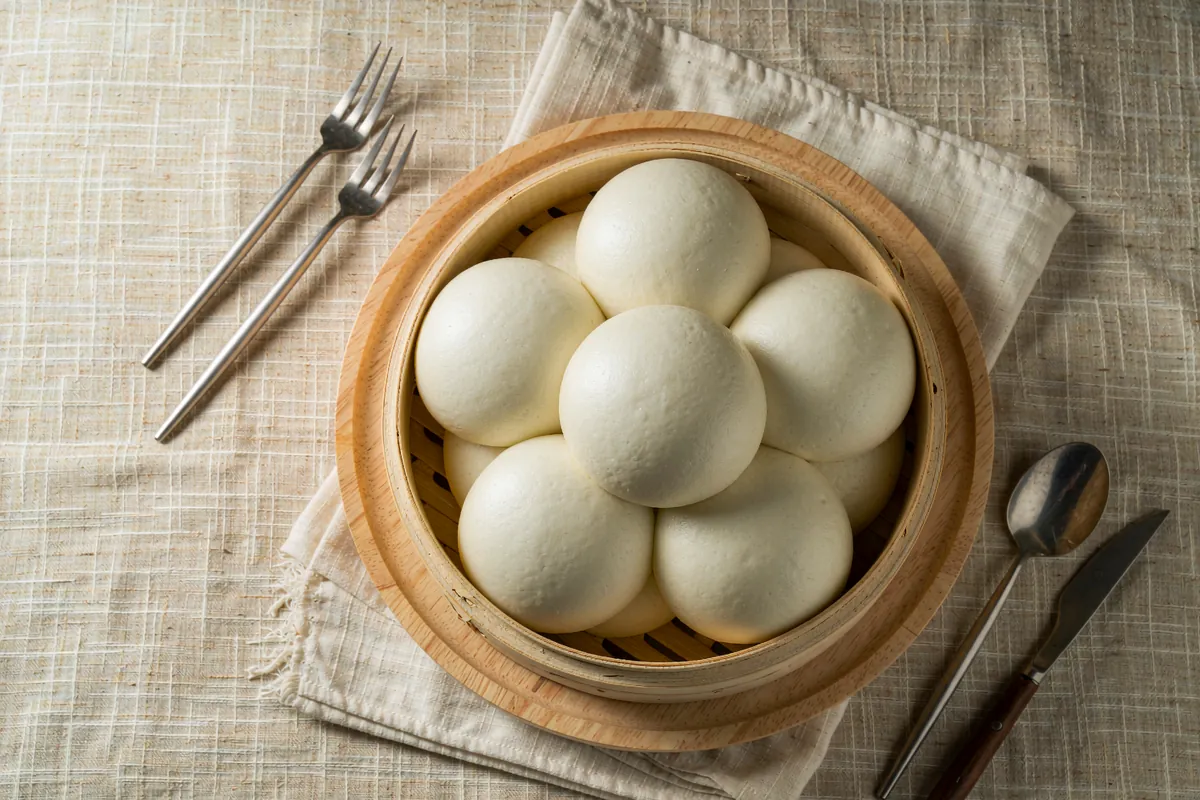
Plain wheat dough, proofed twice and steamed over gentle heat, yields tall snowy buns with a tight, springy crumb that pulls apart into soft, faintly sweet layers.