Technique note · Foundation · 6 min read
A Staple Cupboard That Earns Its Space
A short list of grains, flours and dried noodles, how long they actually keep, and what each one can become once it reaches the pan.
Technique note · Foundation · 6 min read
A short list of grains, flours and dried noodles, how long they actually keep, and what each one can become once it reaches the pan.
A useful staple cupboard is short. One long-grain rice, one short-grain or glutinous rice, plain flour, dried wheat noodles, one pasta shape, rolled oats, potatoes and cornmeal will produce most of the recipes on this site. Speciality grains are worth buying only once you have a specific meal in mind; a packet of millet that sits open for a year goes rancid rather than becoming dinner.
Store grains and flours airtight, away from the hob, where heat and steam cycle daily. Label the bag with the month you opened it. Wholegrain flours and brown rice contain oil in the bran and keep far shorter than their refined equivalents.
Cook a double batch of rice on Sunday and the week rearranges itself: plain rice with a stir-fry on Monday, congee on a cold morning, fried rice on the night nobody wants to shop. A bag of flour becomes pancakes at the weekend, flatbread for wraps and a tray of dumplings for the freezer. The point of a staple is not variety, it is that a meal is always one decision away.
Smell them. Fresh grain smells faintly sweet or neutral; a bitter, waxy or crayon-like smell means the oils have oxidised. Discard it rather than masking it in a heavily seasoned dish.
If you eat rice several times a week, yes: it is consistent, frees a hob ring and keeps rice warm safely. A heavy-based saucepan with a tight lid does the same job when you cook rice occasionally.
Put it into practice
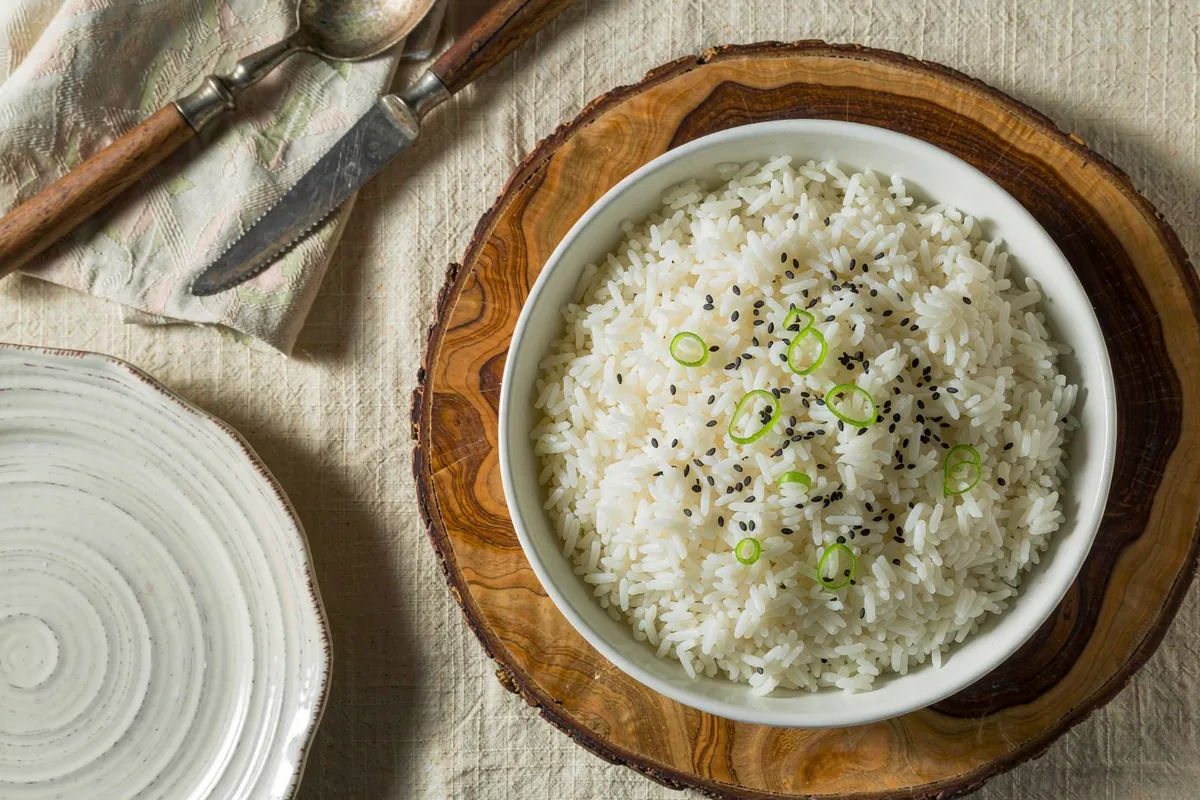
Rinsed jasmine rice, a measured 1:1.2 water ratio and a ten-minute rest give separate, faintly sweet grains with a dry, fluffy top and no stuck crust.
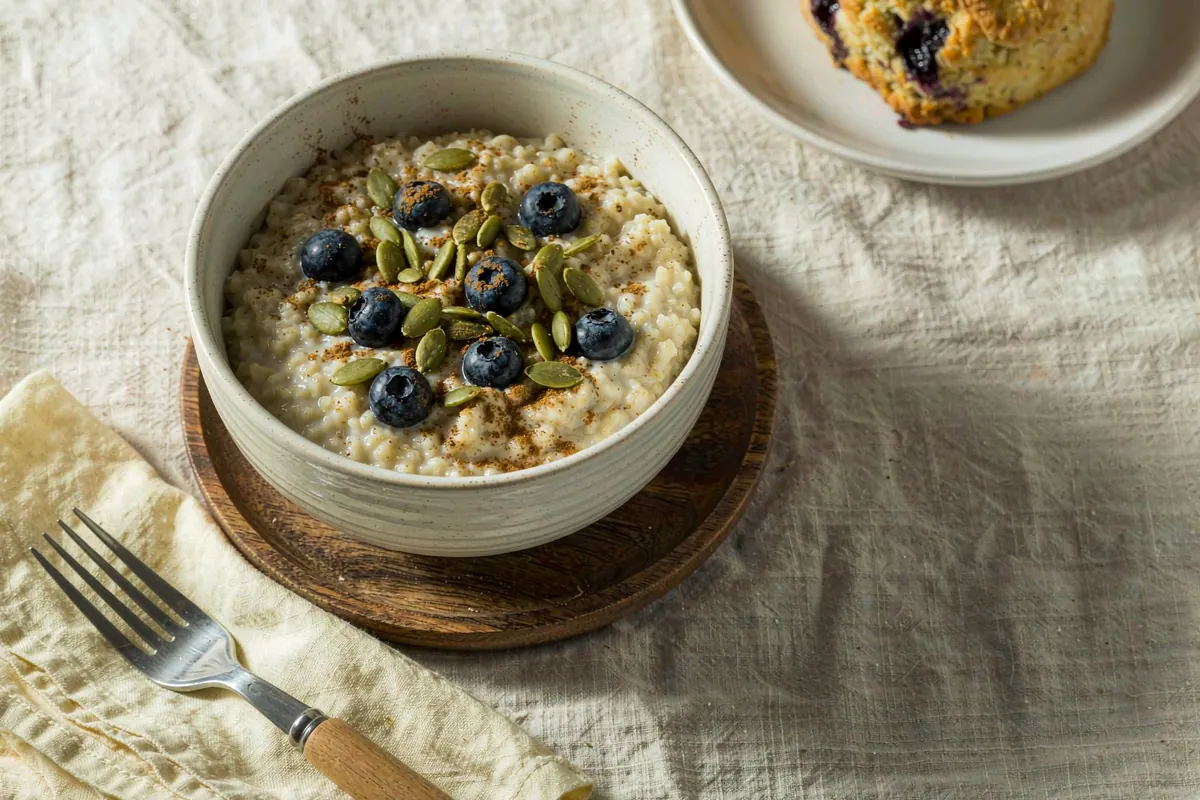
Rolled oats simmered in milk and water with a pinch of salt until thick and glossy, then finished with butter, berries and a spoonful of brown sugar.
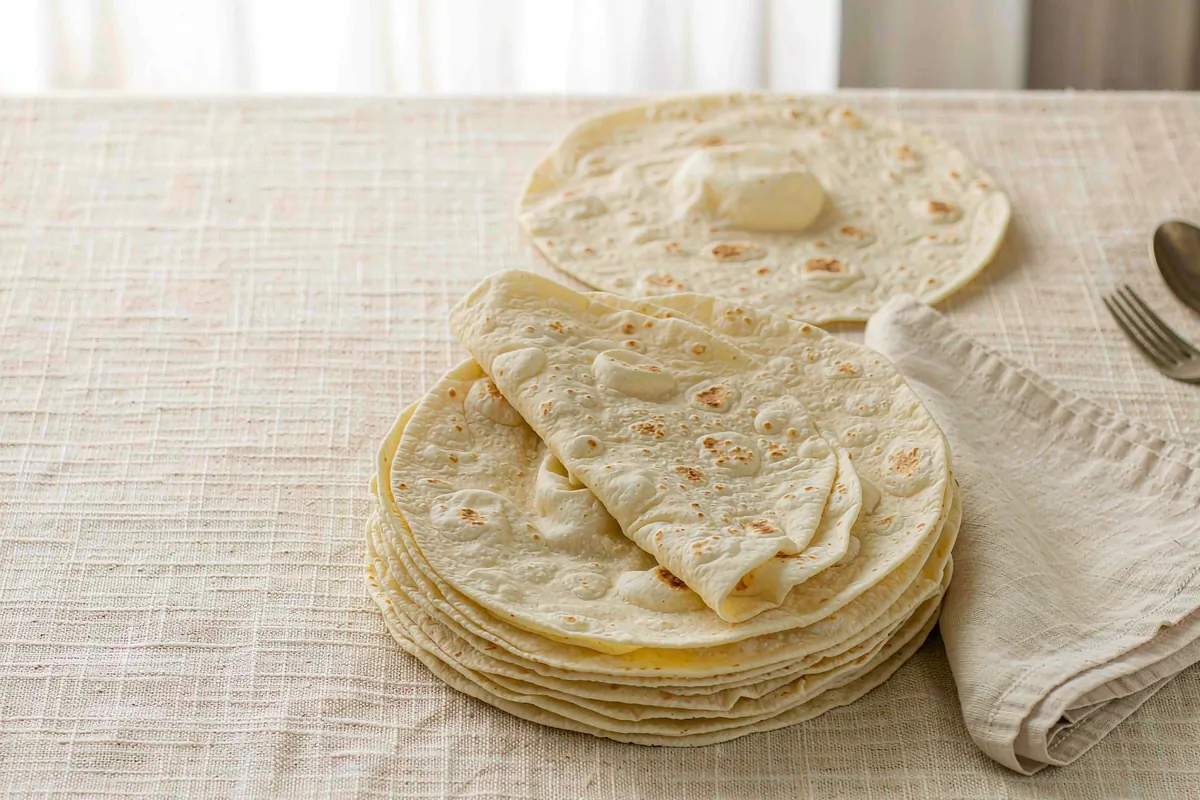
A simple dough of flour, warm water and a little fat rests, then puffs on a hot dry pan into soft, freckled rounds that fold without cracking.
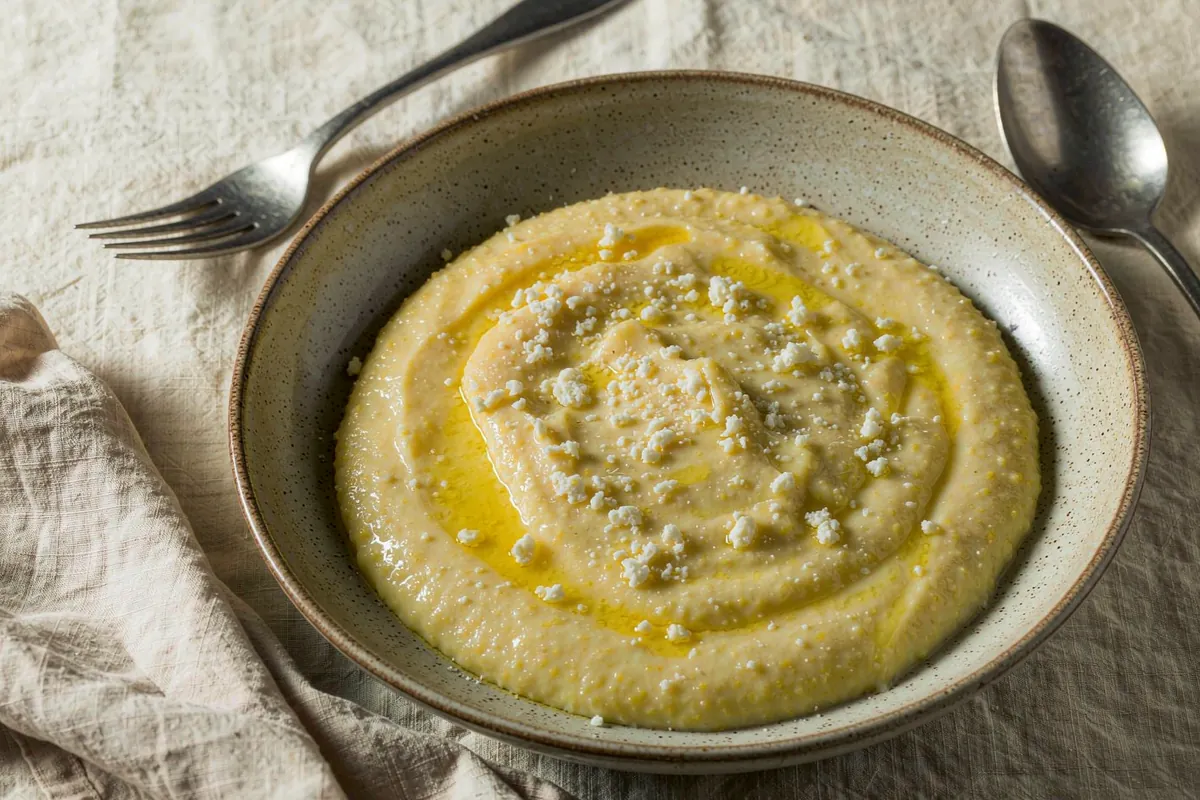
Coarse cornmeal whisked into simmering stock and milk, stirred slowly until it thickens into a soft, spoonable mound, then enriched with butter and parmesan off the heat.