Staple family
Potatoes & Other Staples
Mashed, roasted, or cut into fries.
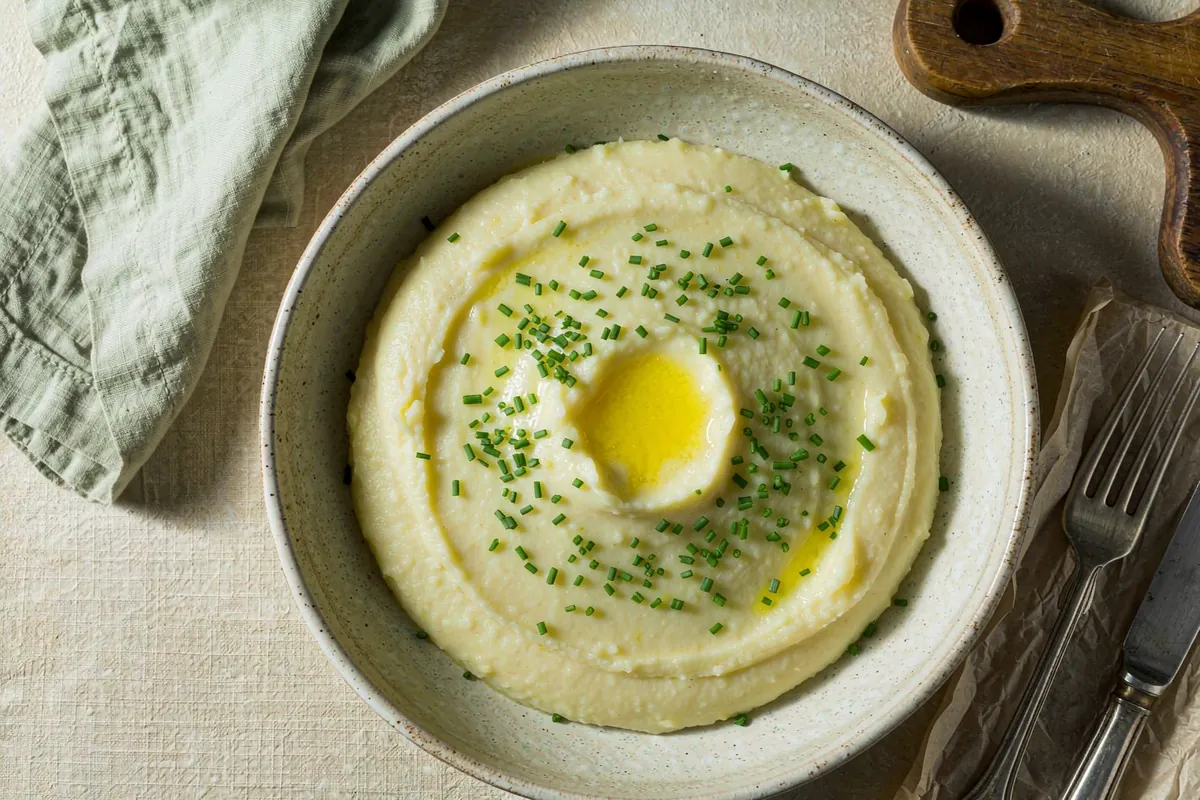
Potatoes, cornmeal and polenta are the staples that sit outside the grain family and still do the same job. Starch determines everything: a floury potato collapses into a fluffy mash, a waxy one holds its shape in the roasting tin. Cornmeal behaves differently again, thickening as it hydrates and setting as it cools. None of these need special equipment, only a decision about texture.
In this chapter
7 recipes
Creamy Cauliflower and Potato Mash
Cauliflower and floury potato are boiled together, drained hard and mashed with warm milk and butter into a light, smooth puree that holds soft peaks without turning gluey.
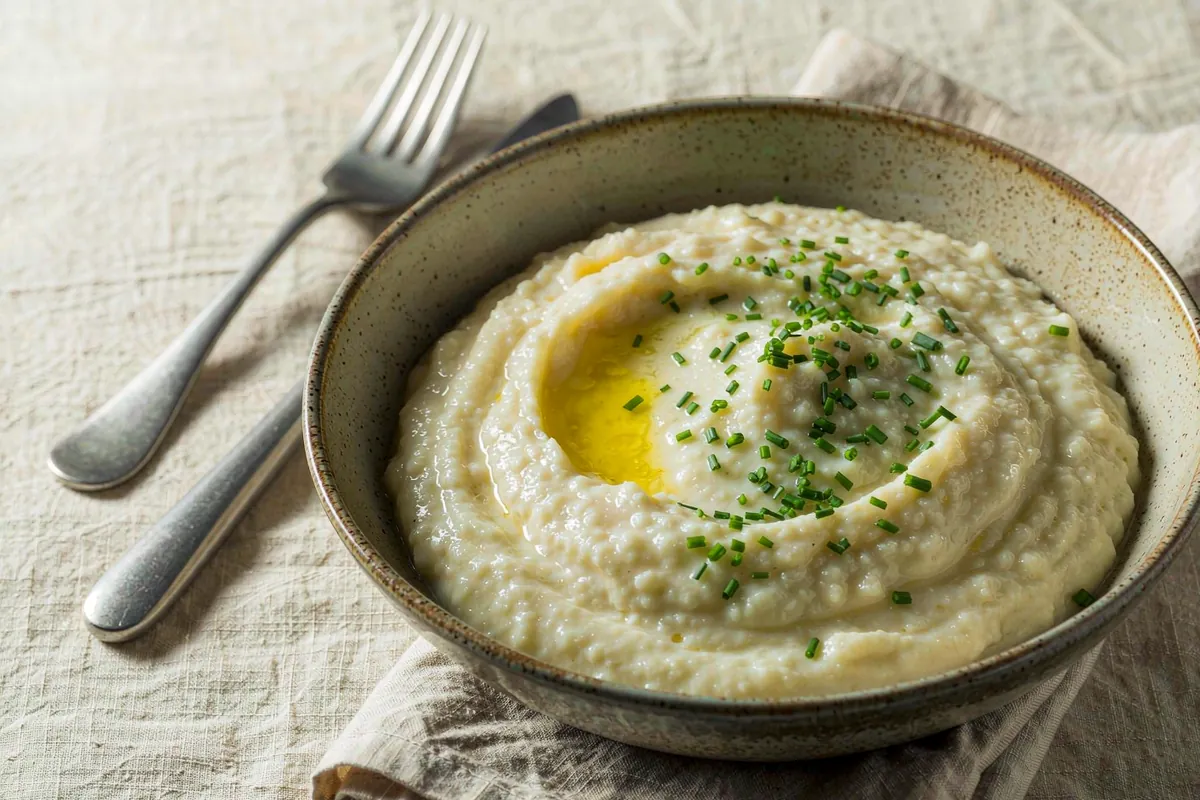
Creamy Mashed Potatoes
Floury potatoes boiled in their skins, drained dry, then beaten with warm milk and butter into a smooth, light mash that holds a soft peak without turning gluey.
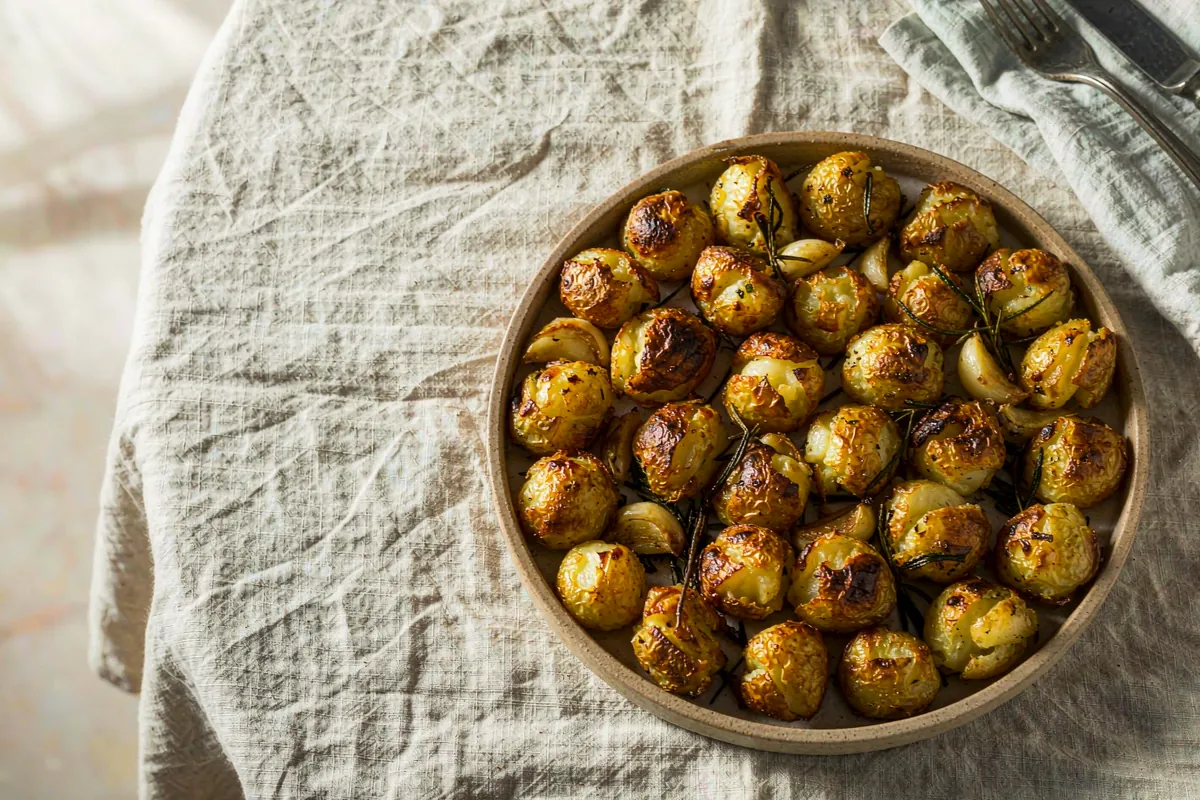
Oven-Roasted Potatoes
Parboiled potato chunks roughed up at the edges, then roasted in hot oil with rosemary, garlic and lemon until the outsides turn deeply golden and audibly crisp.
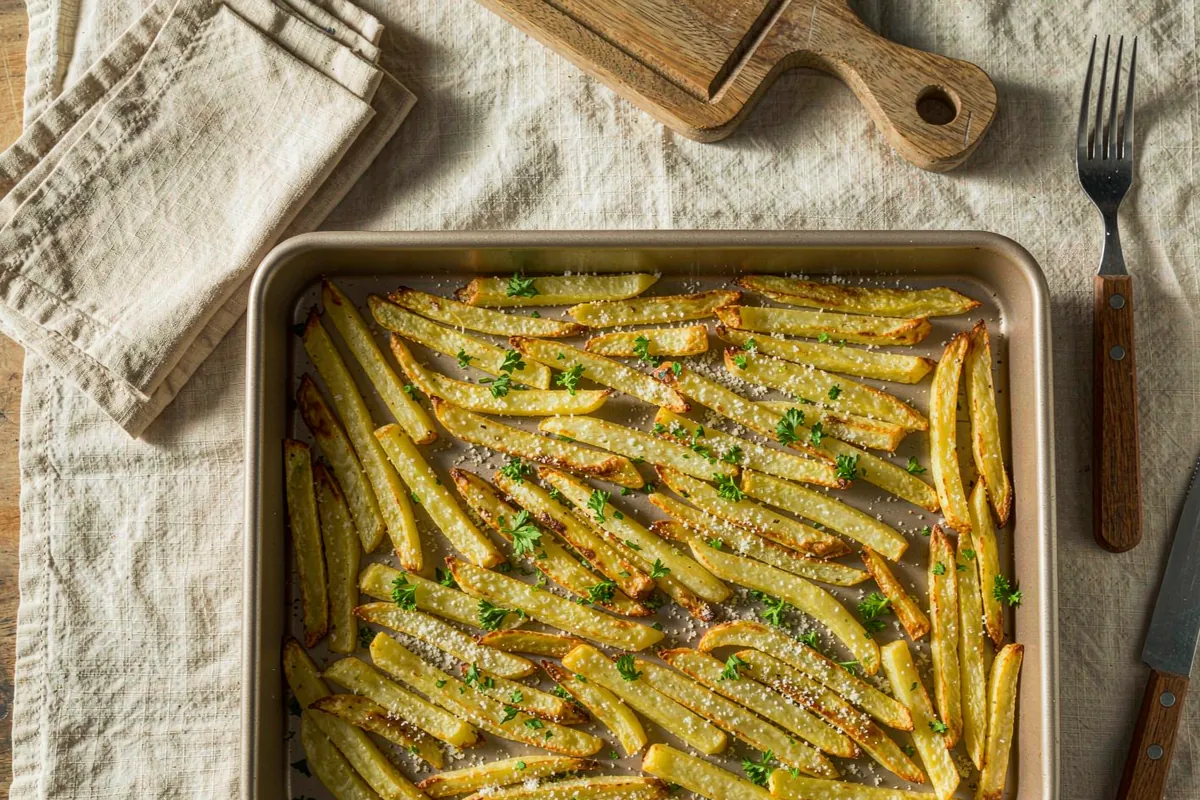
Oven-Baked French Fries
Hand-cut potato batons soaked, dried and baked on a single hot tray at high heat until the corners brown and the centres stay soft, with a light garlic-herb finish.
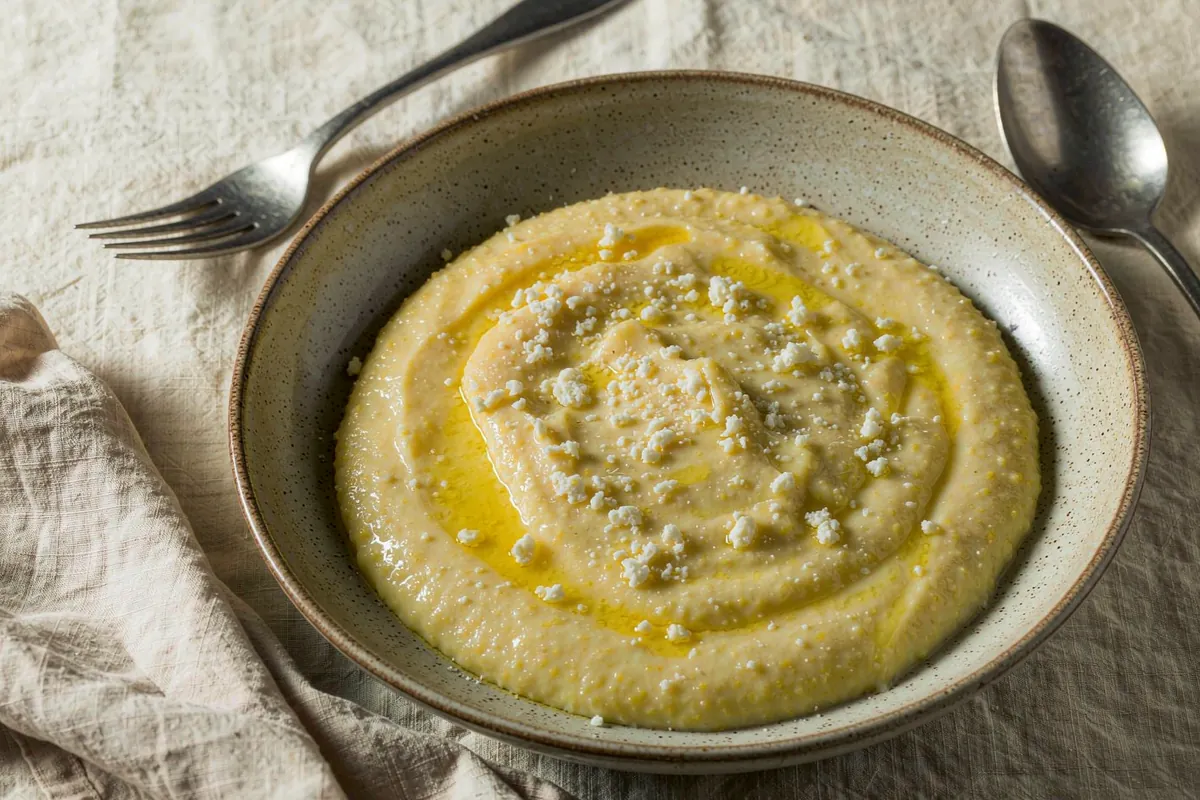
Soft Creamy Polenta
Coarse cornmeal whisked into simmering stock and milk, stirred slowly until it thickens into a soft, spoonable mound, then enriched with butter and parmesan off the heat.
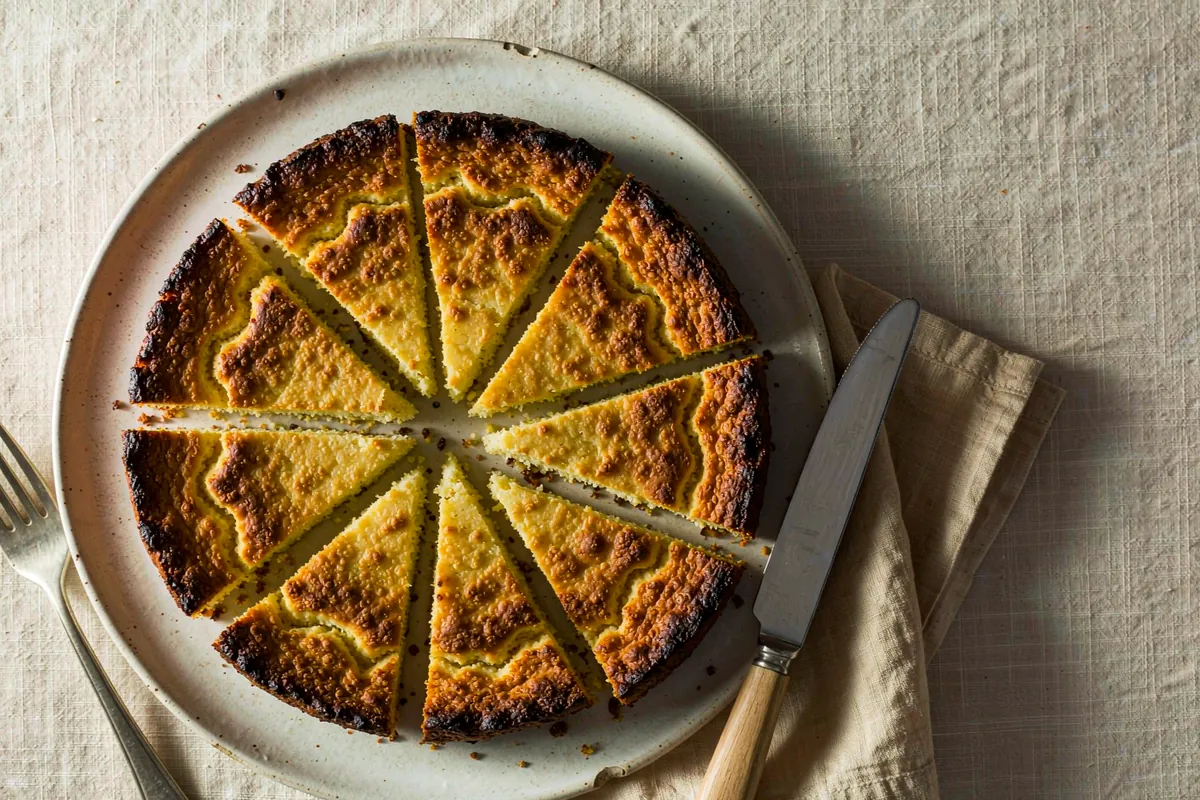
Skillet Cornbread
A coarse cornmeal batter poured into a screaming-hot buttered skillet, baking into a golden, craggy round with a crisp rim and a tender, faintly sweet centre.
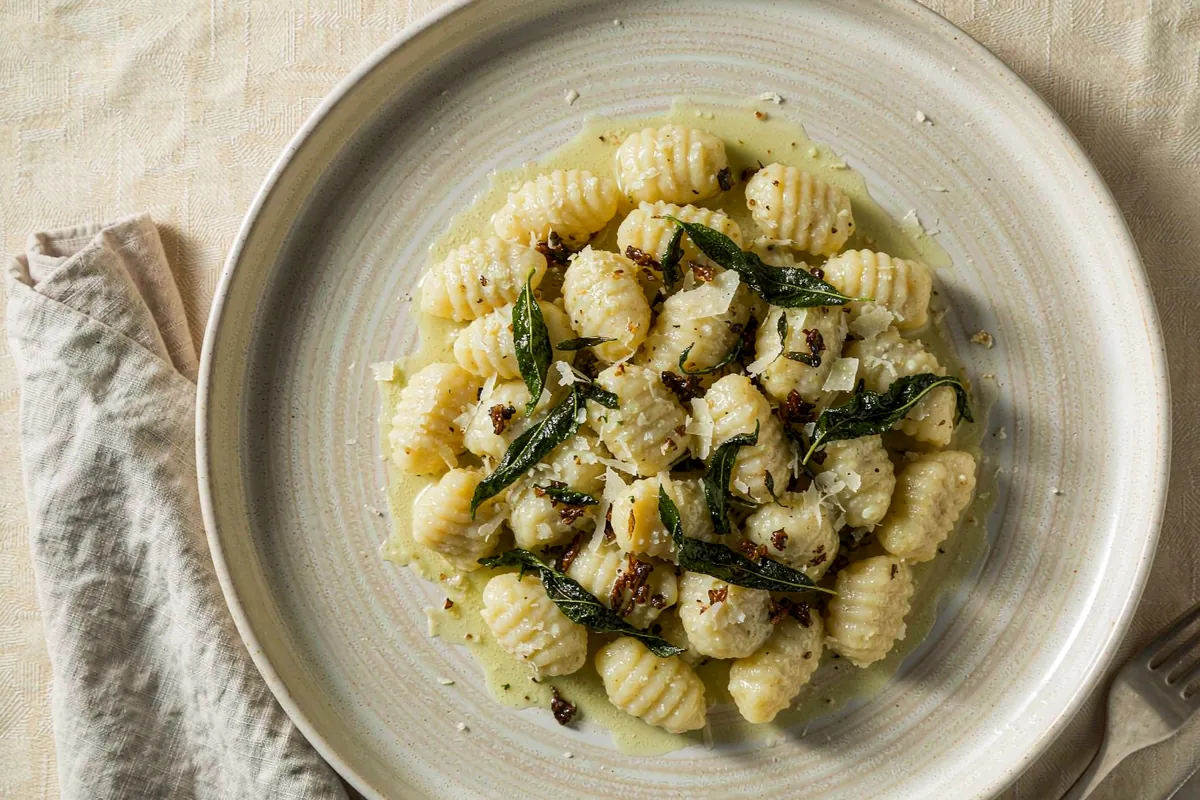
Potato Gnocchi
Riced floury potatoes bound with just enough flour and egg into soft dumplings, rolled, ridged and boiled until they float, then tossed in a foaming sage butter.
A Staple Cupboard That Earns Its Space
A short list of grains, flours and dried noodles, how long they actually keep, and what each one can become once it reaches the pan.
Other staple families
Cooking potatoes at home
The recipes above share a small set of ingredients and one or two pieces of equipment, so it is worth cooking them in sequence rather than at random. Make the simplest one first — it tells you how your pan, your flour or your rice behaves — then move on to the versions that build on it. If you are working from what is already in the kitchen, the full recipe index can filter every chapter at once by ingredient, equipment and time.